"If I don't see the sunrise today, I'll never go on a group tour again in my life."
At 4:17 a.m. on May 2, in the shuttle bus waiting area at Dawa Gengza, cold rain at 4°C beat against the brim of my rain jacket. I said those words to my partner. Behind us, more than two hundred tourists, bleary-eyed, formed a long line snaking along the pitch-black mountain road. My watch showed an altitude of 3,900 meters, and at that moment all I felt was pure regret.
Twelve hours earlier, I'd been sitting in a wooden shed at the foot of Shenmulei Mountain, forcing down a copper hot pot that tasted awful, while wondering over and over whether this 1,596-yuan trip was worth it. Twelve hours of coach travel, sudden altitude-sickness headaches, and undercooked rice that was practically inedible—every single bit of it was disheartening. I've always been a rational engineer, used to running cost-benefit analyses, comparing options, and filtering through reviews. I never spend blindly.
But May Day Golden Week always manages to break everyone's rationality. Chengdu's population of more than 20 million gets a collective holiday, and a large share of them want to escape the city and unwind in the mountains. Dawa Gengza, sitting at 3,900 meters and known for its six signature sights—sea of clouds, sunrise, starry skies, golden mountains at sunset, snow peaks, and Buddha's halo—has become a hot short-trip destination for young people in Chengdu.
This is a real-life account that records every expense, every pitfall, and every surprise from this trip, along with all the practical tips you need if you want to check Dawa Gengza off your list.
Background: Why did I choose a group tour?
Traveling during May Day, my wants and limitations were both clear. On the first day of the holiday, hotels around Chengdu were either fully booked or had jacked up their prices to first-tier-city levels. If I drove myself, I'd need to cover 430 kilometers of unfamiliar mountain roads alone, in changeable weather, in a car that wasn't even mine—the risk and energy cost were simply too high. After comparing all the options on paper, a group tour was the best answer.
I'd done my homework on lodging two weeks in advance: the Cloud Hotel near the Dawa Gengza entrance looked like a boutique guesthouse, but was actually just a basic upgraded tent with electric blankets—the listed rate for a standard room was 650 yuan per night. If I drove, two days of car rental would cost 400–600 yuan, plus extra gas, tolls, tickets, meals, and the mental strain of traveling at high altitude. The total cost would have been far higher than the group tour.
In the end, I booked Dawa Gengza + Shenmulei 2-Day 1-Night Group Tour Route D on Ctrip, with an upgrade to the scenic-area hotel. The original price per person was 808.5 yuan, and mandatory travel insurance for two was 63 yuan per person. After stacking a 6-yuan golden-membership coupon and a 147-yuan hotel coupon from the platform, I actually paid 1,590 yuan. The package covered round-trip coach from Chengdu, the Cloud Hotel stay, tickets to both scenic areas, breakfast and dinner, and full tour guide service.
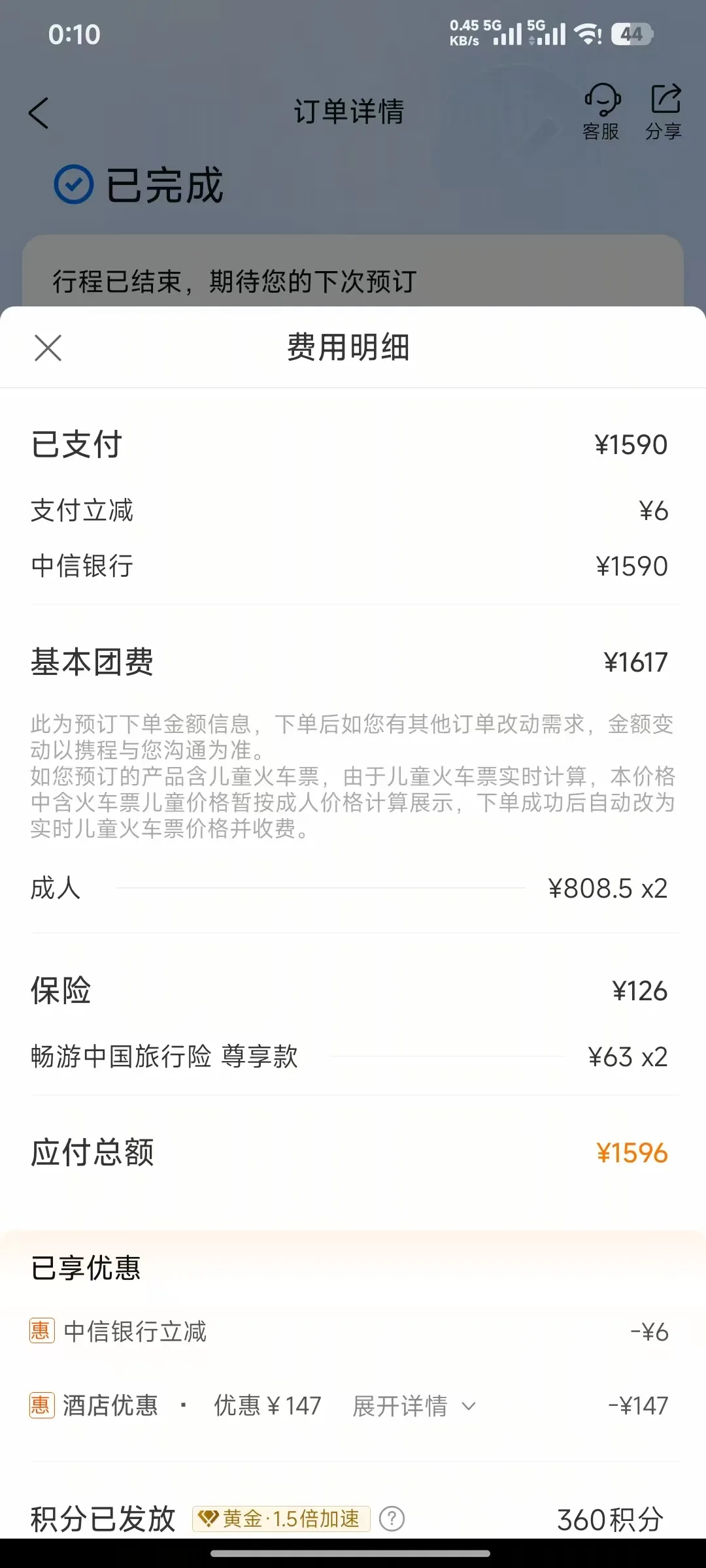
Platform: Ctrip App
Product: Dawa Gengzha + Shenmu Lei 2-day 1-night group tour (Route D)
Tour fee: ¥1617 (¥808.5 × 2 adults)
Travel insurance: ¥126 (¥63 × 2, mandatory)
Discount: –¥6 (gold member) + –¥147 (hotel voucher)
Amount paid: ¥1590
Hotel: Yunduan Hotel (at the scenic area entrance), market price approx. ¥650/night
Order time: April 15, 2026 · Order status: Completed
Day 1: On the road, and the first signs of letdown
At 9:30 p.m. on April 30, the tour guide sent a notice: gather at 6:50 a.m. the next morning at the intersection outside Exit A1 of Yangxi Overpass Metro Station; latecomers not allowed. I live near Tianfu Square, so I had to catch Line 2 metro at 6:00 a.m. sharp to get to the meeting point. In eight years of living in Chengdu, I'd never been to that metro station.
In the early morning, Yangxi Overpass was shrouded in mist. Chengdu's spring dampness hung in the air, and the smell of diesel mixed with the aroma of youtiao from street stalls — a morning scent unique to this city. Dressed in light-colored clothing and holding a small flag, the tour guide was checking off the tourist list at the intersection.
By 6:45, all 45 people had assembled. The crowd was pretty typical: a few couples, families with kids, college students traveling in groups, and a handful of solo travelers. Everyone wore that uneasy look of not knowing the plateau roads and underestimating the altitude.
At 6:52, a 45-seat licensed tour bus arrived right on time. The driver was a veteran who had worked this route for eight years. We picked seats near the front — less bumpy and easier to get on and off — and the trip officially began.
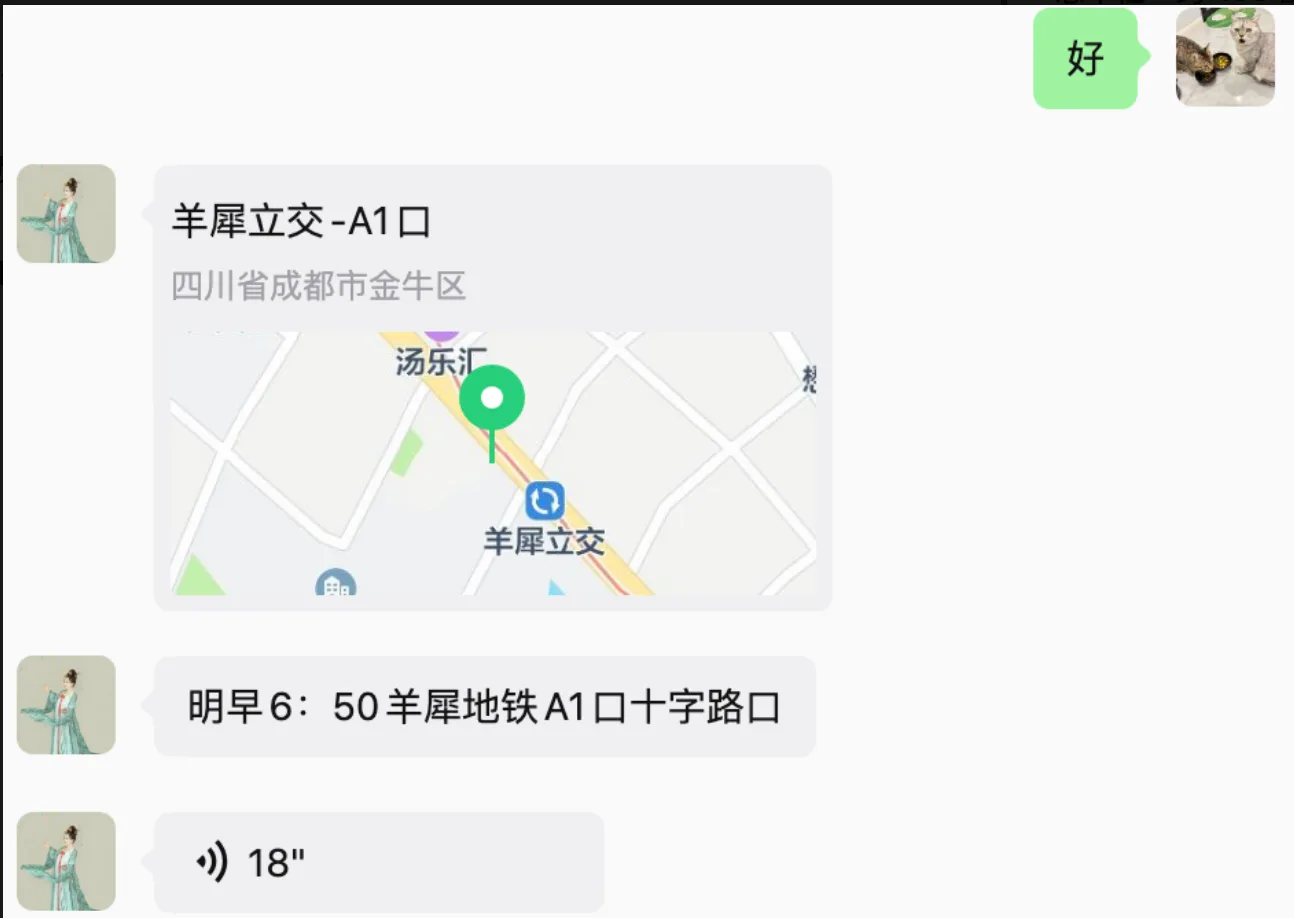
Location: Exit A1, Yangxi Overpass Metro Station
Arrival: 6:35
Departure: 7:50ish
Vehicle: Licensed tour bus, 45 seats, occupancy about 100%
GPS: 30.6821° N, 104.0326° E · iPhone 14 Pro
Bring your own rain poncho and shoe covers. Up on the mountain, the wind and rain are no joke—an umbrella is useless. Vendors may come on board to push overpriced, low-quality ponchos and shoe covers; don't buy them.
The ride: from basin to plateau
The "scenic drive" advertised in the itinerary had zero scenery for the first two hours. The coach rolled through Chengdu's western suburbs and onto the Ya'an–Kangding Expressway, passing nothing but concrete blocks, tunnels, and cookie-cutter rural scenery.
But the driver really knew what he was doing. The ride was smooth the entire way—turning, passing, and braking were all steady. No sudden stops, no honking, no aggressive overtaking. I'm prone to motion sickness, yet this trip left me feeling completely fine—far better than most mountain bus rides.
At 8:45, we pulled into a rest stop. The altitude was only 800 meters, and the air felt noticeably drier and cleaner than in Chengdu. After passing Ya'an, the landscape began to change dramatically. The expressway ended, and we entered the mountain corridor from Tianquan to Ya'an. The road narrowed, the valleys deepened, and signboards for Baoxing County began appearing. The vegetation shifted from the basin's lush greenery to the rugged plateau-mountain terrain—we were now officially on the eastern edge of the Qinghai–Tibet Plateau.
Qiaoqi Lake: a 20-minute preview of the plateau
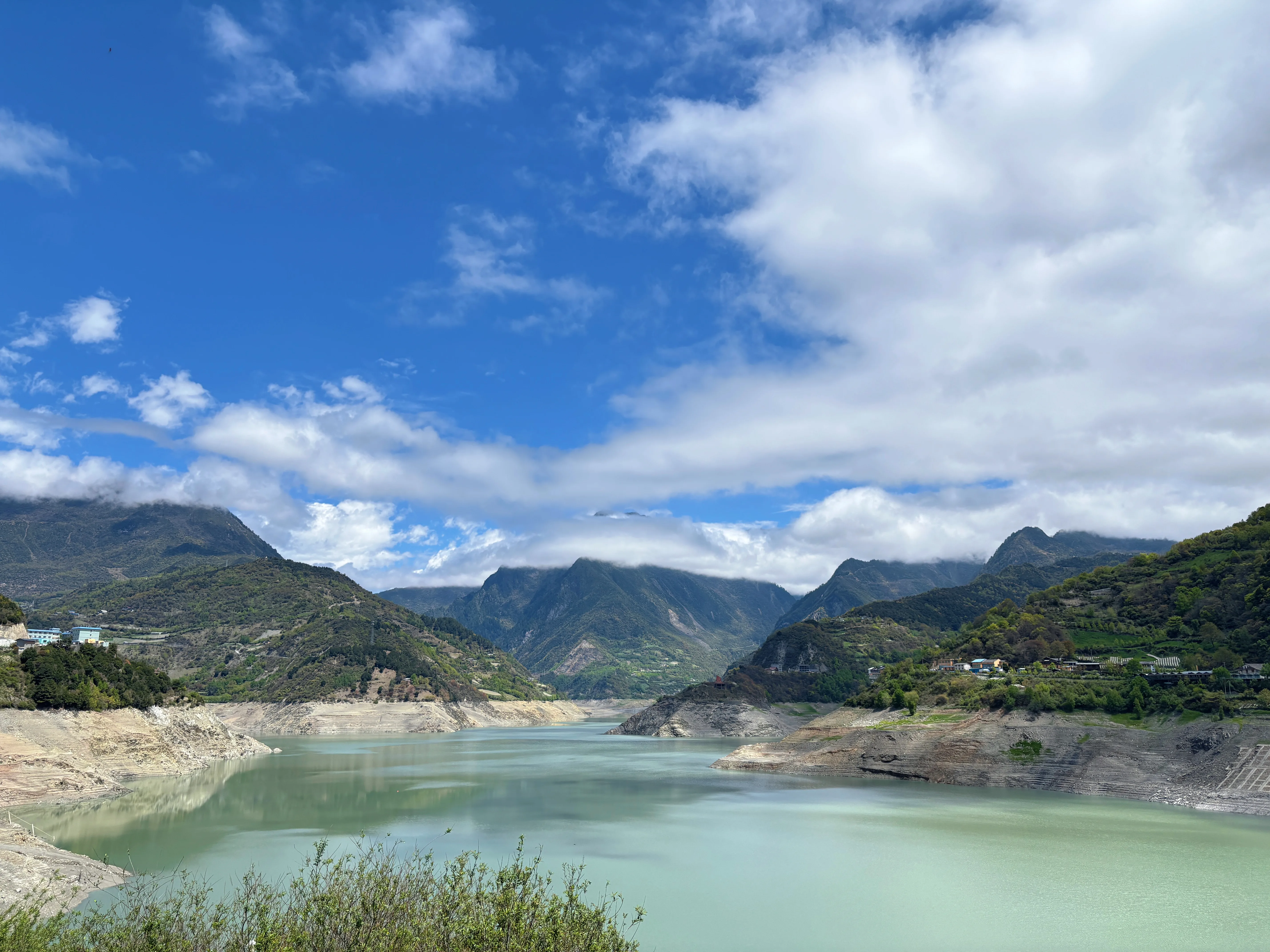
At 10:50, the guide arranged the first stop—Qiaoqi Lake (Qiaoqi Reservoir). It's an artificial lake created by a hydropower station. The water is clear and photogenic, but up close you can smell the concrete. It was the dry season, so the view was nothing special; the wet season would bring out its beauty.
The stop lasted 20 minutes. Everyone got off to take photos and buy grilled skewers from roadside stalls. Away from the basin's muggy heat, the coolness in the mountains was unmistakable. The couple from Guangzhou on our trip had come specifically for western Sichuan's natural scenery, yet their first photo stop was a man-made reservoir—they looked genuinely baffled. I knew this was just an appetizer; the real ordeal would come early the next morning. At around 2,000 meters above sea level, this was also the true beginning of acclimatizing to the plateau.
Lunch: the truth about high-altitude dining
At 11:45, the bus arrived at the Shenmulei Scenic Area parking lot, and everyone was led to a two-story wooden restaurant near the site. Because the earlier stops had dragged on, the food was already cold by the time we got there.
The itinerary listed "lunch at your own expense"—a classic group-tour phrase meaning you could either eat with the group (30 yuan/person) or arrange it yourself. The only options around the scenic area were this restaurant and a convenience store selling instant noodles. With no real choice, we paid up.
This lunch completely reshaped my view of high-altitude dining: the rice was cold and undercooked, the vegetables were shriveled and yellow, the meat portions were tiny, and the clear soup had nothing but a few chopped scallions floating in it. It tasted awful.
The guide gave the standard high-altitude scenic area explanation: high elevation, poor transportation, few permanent residents, most ingredients trucked in from Ya'an, and limited growing and storage conditions. I can understand the logistics constraints, but I still can't accept badly cooked food. We barely ate until half full and braced ourselves in advance for dinner.
⚠️ Key pitfall warning: Don't expect Sichuan cuisine at any high-altitude scenic area. The local food only guarantees quantity, not quality. Make sure to bring your own snacks, chocolate, energy bars, and nuts to replenish energy. Prices at scenic-area convenience stores are doubled, but they're your only emergency supply channel.
Shenmulei: Meadows, Prayer Flags, and the Magic Carpet
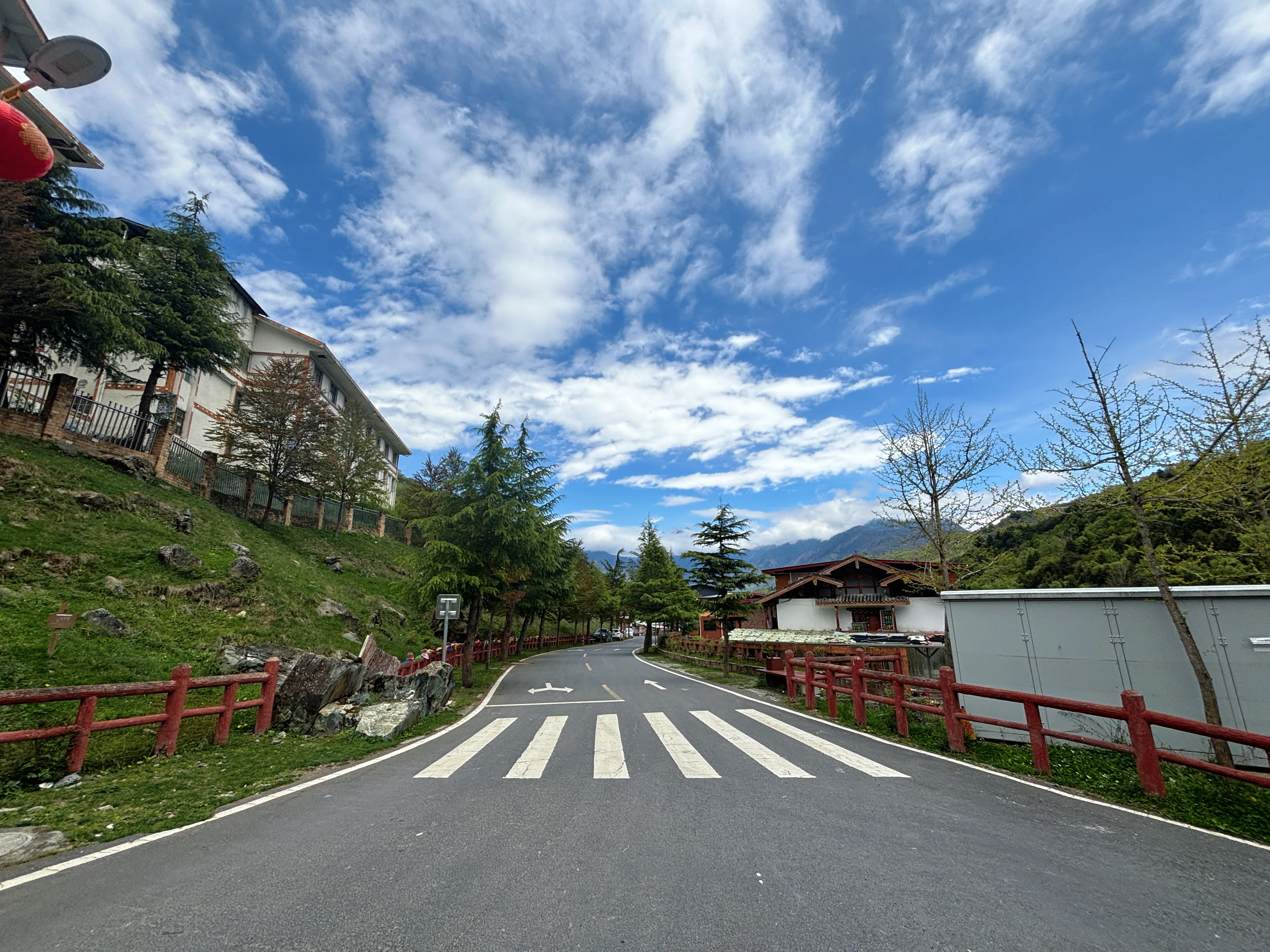
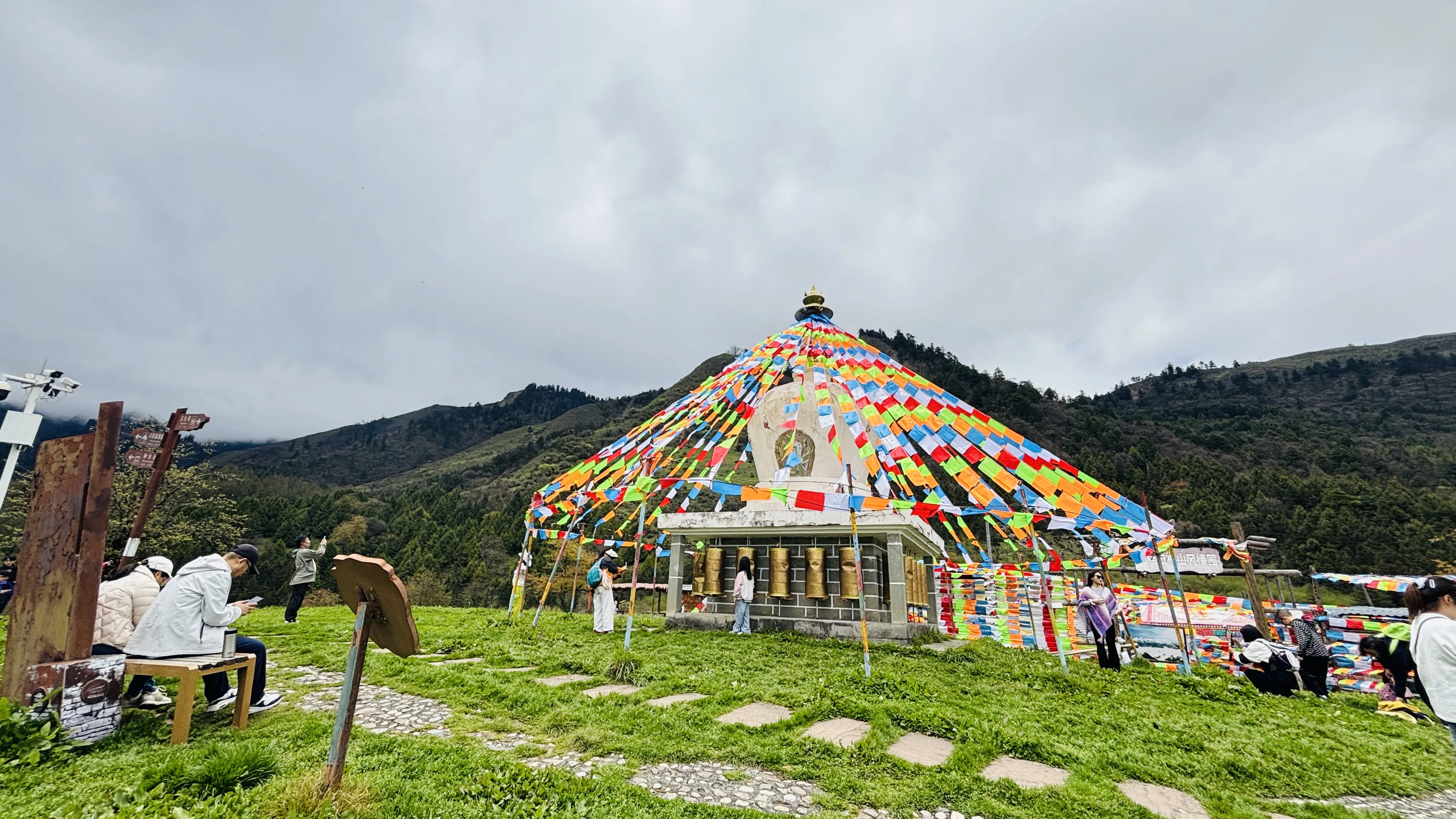
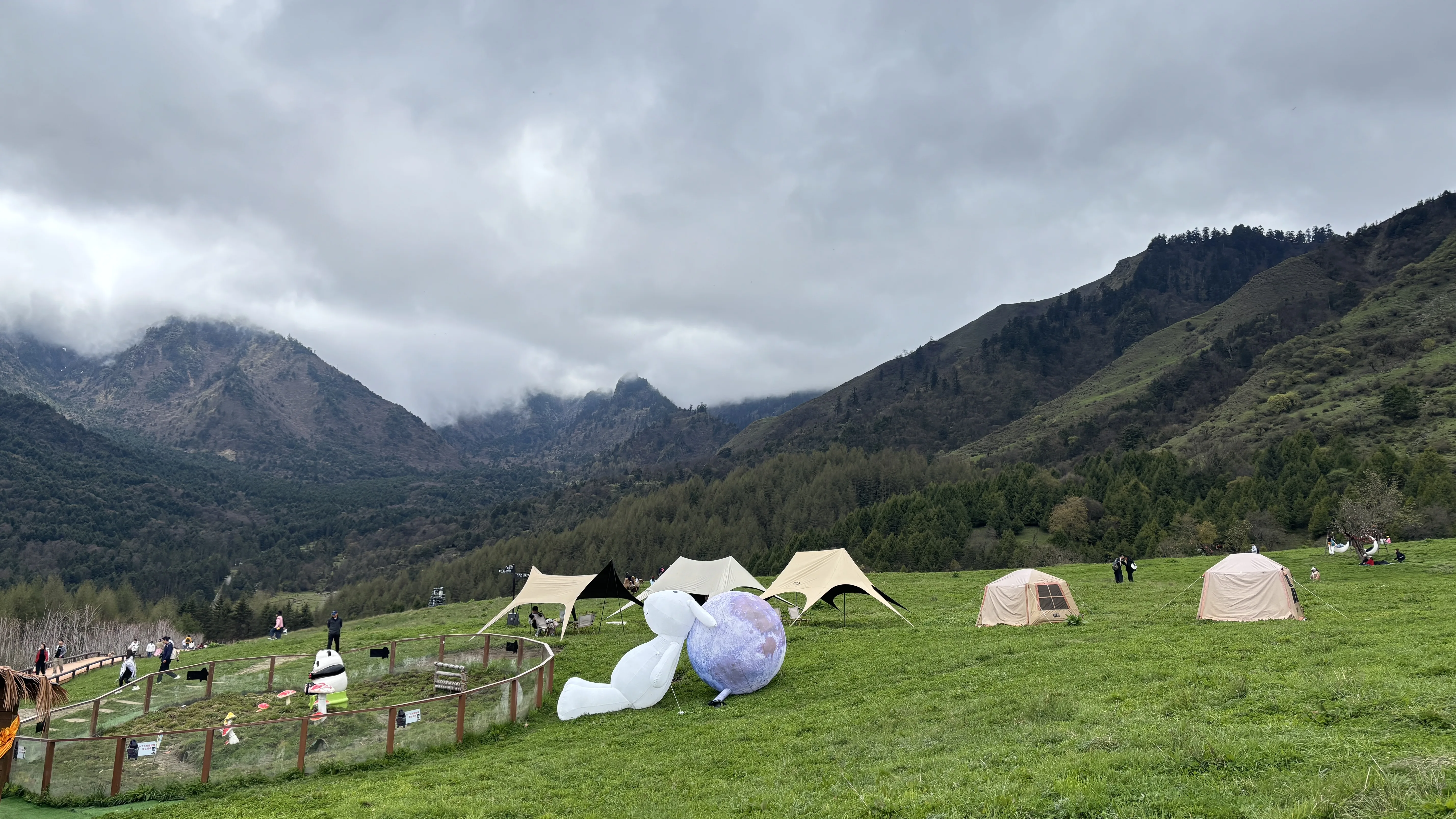
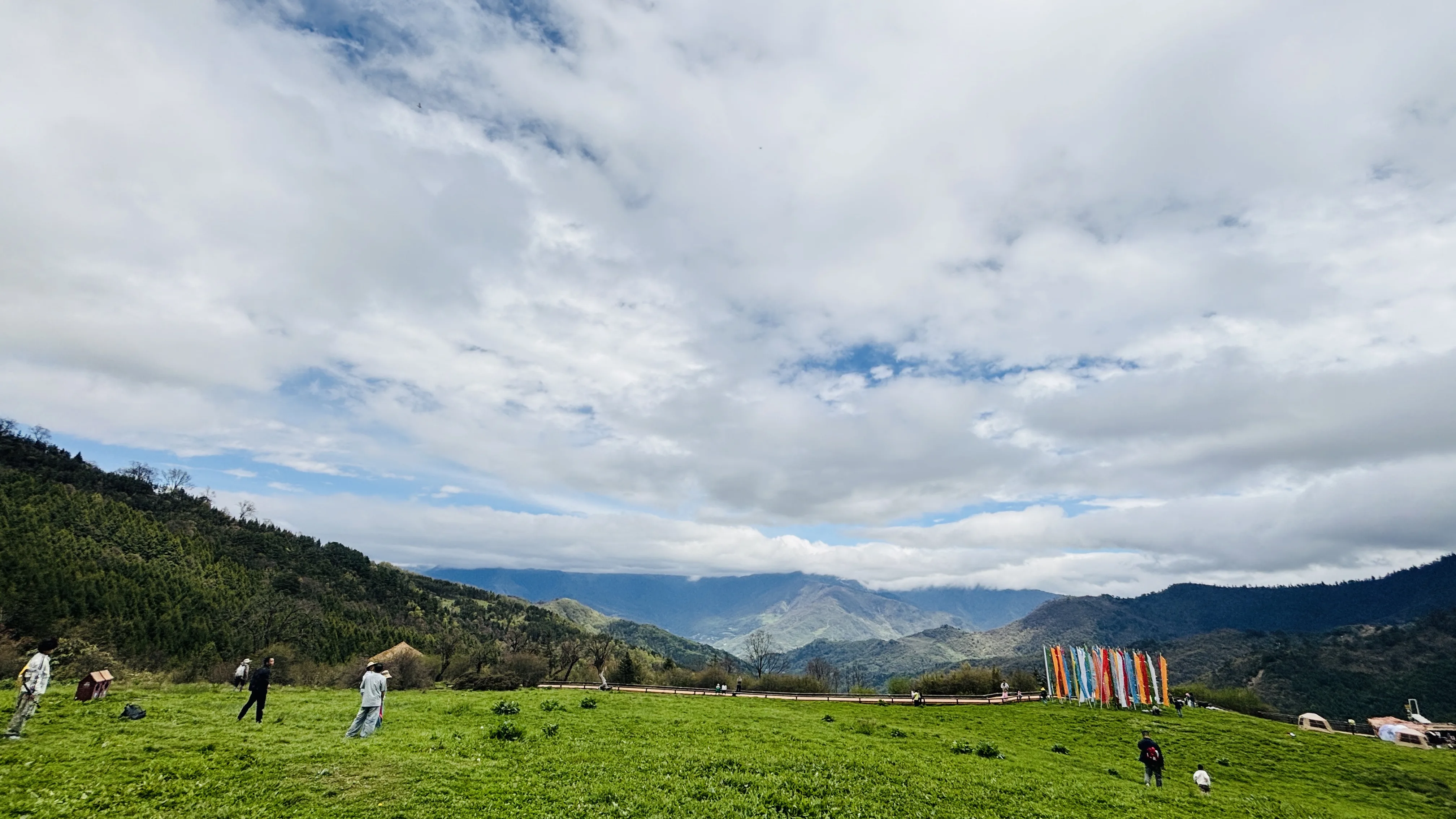
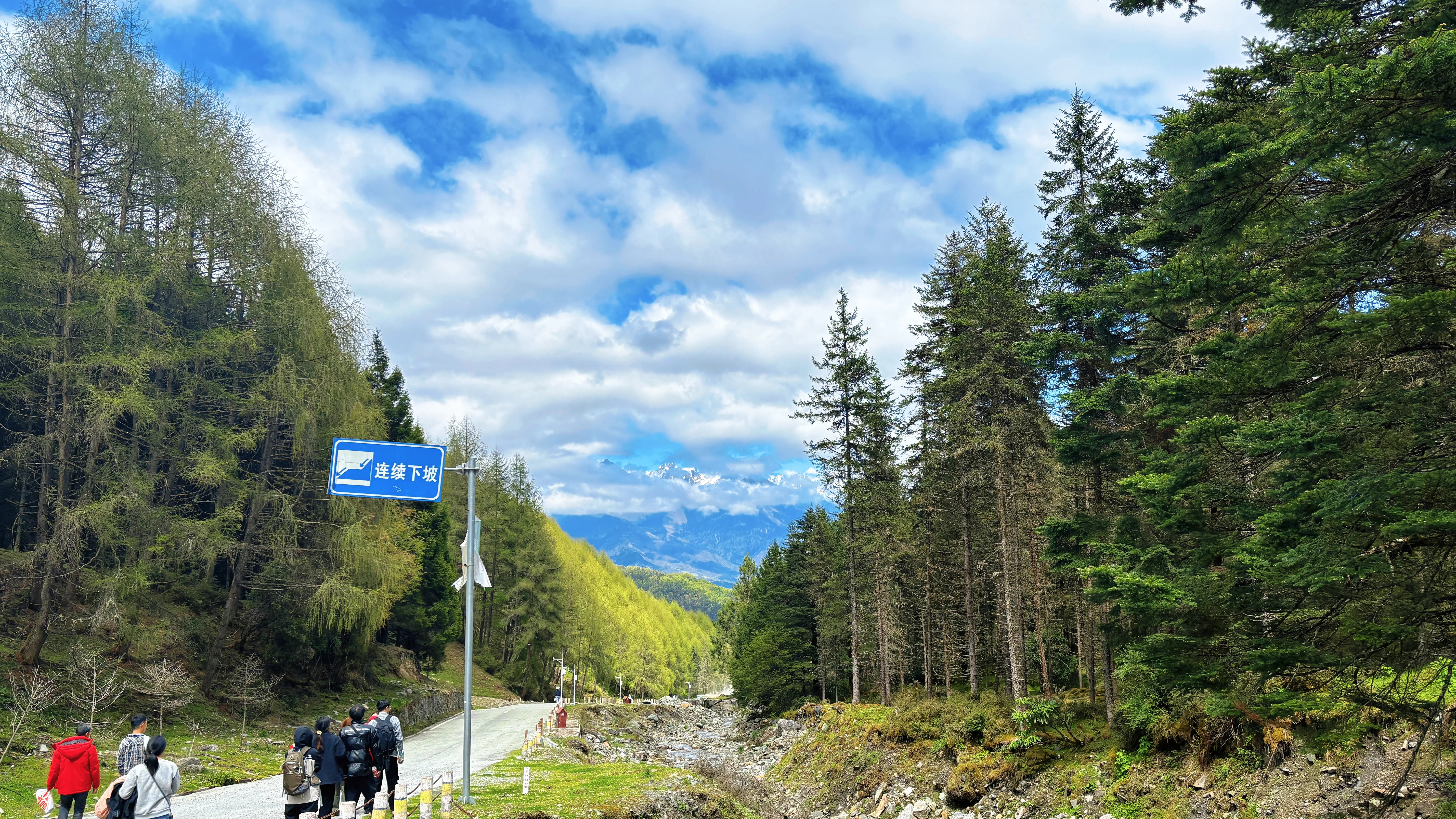
The afternoon itinerary was Shenmulei Scenic Area, with admission included in the tour fee—a sort of warm-up before the main Dawa Gengza leg. To be fair, the scenery is worth visiting: alpine meadows stretch to the foot of snow-capped peaks, rows of colorful prayer flags flutter, and boardwalks wind through spruce and fir forests with expansive views and a peaceful vibe. For anyone used to living on the plains, the vast highland landscape is striking—the sky feels lower, the clouds race by, and the atmosphere is intense.
But Shenmulei was also a litmus test for the next day's physical stamina and altitude acclimatization. The paths climb gently to about 3,000 meters—not extreme high altitude, but visitors from the plains still find themselves out of breath and tired. Stopped hikers with pale faces are everywhere; altitude discomfort is extremely common.
Halfway up the mountain is the internet-famous 'magic carpet' conveyor belt, 20 yuan one way. The guide suggested it for people with altitude sickness or those saving energy for Dawa Gengza. After trying it, we found it's terrible value: the carpet stops constantly and the queue eats up time. Compared with the fifteen-minute walking trail, the time saved is negligible—the only benefit is saving your legs. If you normally exercise and are reasonably fit, just walk to the top. The scenery along the trail is far better than the magic carpet route.
We spent three hours on the meadow, taking photos and watching clouds gather and scatter along the ridges, until 4:30 p.m., when we gathered to head back for dinner. A heads-up: the prayer flags that look so authentic and rustic are real, but the Tibetan-style houses in the distance are all commercial souvenir shops.
14:30 · Shenmulei High Meadow · Elevation approx. 3,000 m · The prayer flags are real; the "Tibetan village" behind them is a souvenir shop
We walked across the meadow for three hours, taking photos and watching clouds gather and disperse over the ridge. At 4:30 p.m., the guide called us back to the parking lot for dinner.
Dinner: The Copper Hot Pot That Didn't Save Us
The trip itinerary listed a "Tibetan-style clay pot hot pot," but the actual dish fell far short. A metal basin held lukewarm broth with a few thin slices of meat and cabbage, plus soft, sticky noodles. The portions were small and the flavor was bland.
The guide had prepared us in advance: the scenic area has limited facilities, the complimentary meal is non-refundable and non-exchangeable, and we should lower our expectations. I ate a little meat and the hot broth, and gave up on the terrible noodles. From experience, I knew I'd be hungry late at night, and there were no shops or convenience stores within a four-hour drive. The only highlight of the dinner was the free hot tea the restaurant offered—one of the few comforts on that cold plateau evening.
Cloud Hotel: A Pleasant Surprise
At 6:30 p.m., the hotel sent a private car to pick us up. Cloud Hotel is located 600 meters from the entrance to Dawa Gengzha Scenic Area—a perfect location, close enough to walk to the scenic area while avoiding the noisy crowds at the parking lot.
After being burned multiple times by influencer-marketed "luxury camping," I had very low expectations for the tent hotel, figuring it would be just a basic tent with simple lighting. But actually staying there completely changed my mind: the units have solid wood frames with canvas roofs, and the interiors are clean, tidy, and well laid out. At 2,700 meters above sea level, an electric blanket isn't a bonus—it's a necessity. The private bathroom has limited hot water, the WiFi is slow but usable, and with the space heater, the indoor temperature stays steady at 22°C, perfectly insulating us from the freezing cold outside.
The best thing about the hotel was the view. From the terrace, you could see the silhouette of the Dawa Gengza ridge directly. At 8 p.m. the clouds parted for a moment, and a sky full of stars appeared—something I'd never seen in the city. It was the first time on the trip I felt the itinerary might actually pay off.
That night I set an alarm for 3:45 a.m. The guide kept stressing: Golden Week means insane crowds. The shuttle's first departure is 4:30, and a long line starts forming at 4:00. Miss that first bus, and you basically miss the sunrise. I fell asleep early to the sound of wind tugging at the canvas, full of unease about the early departure ahead.
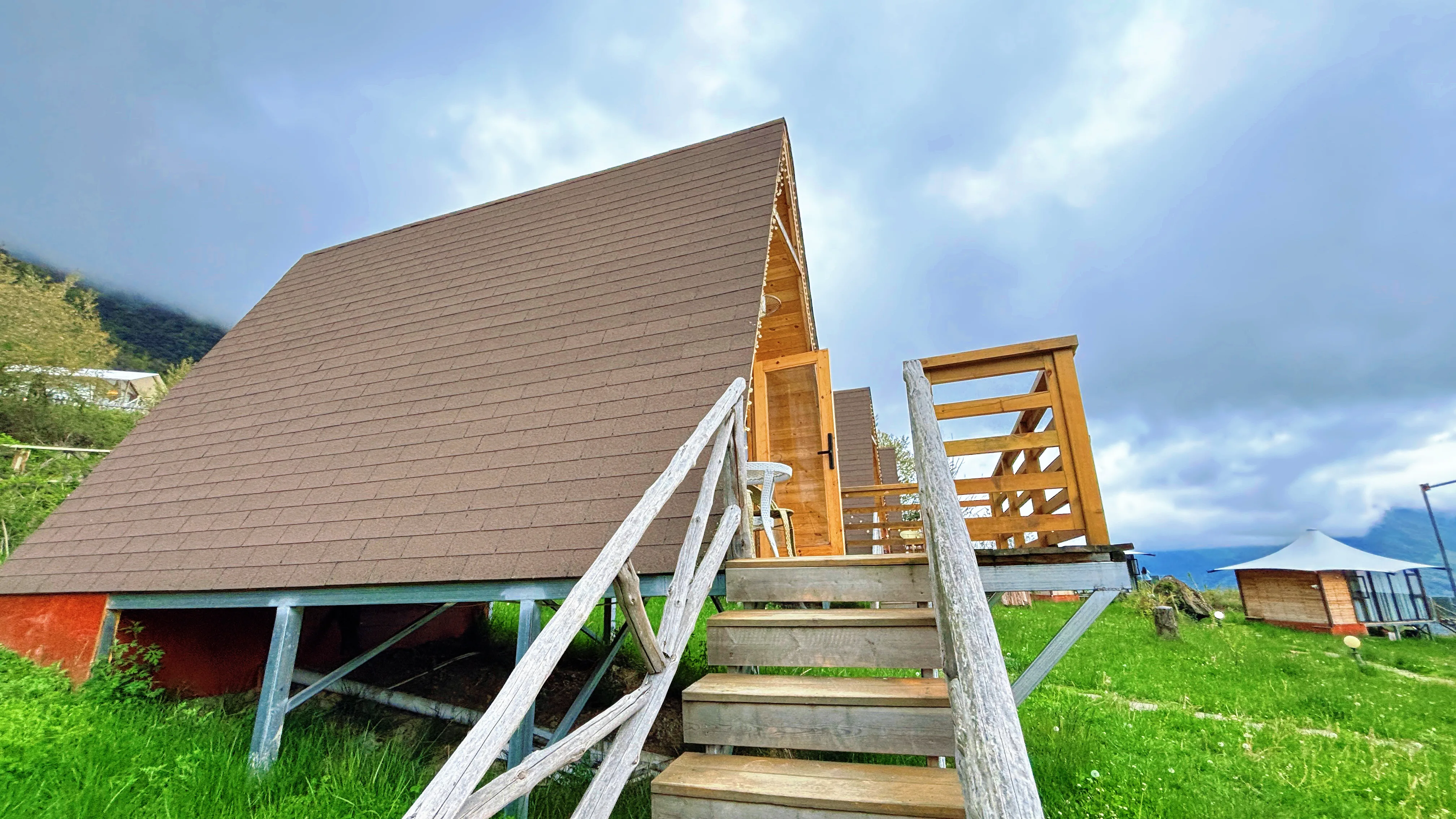
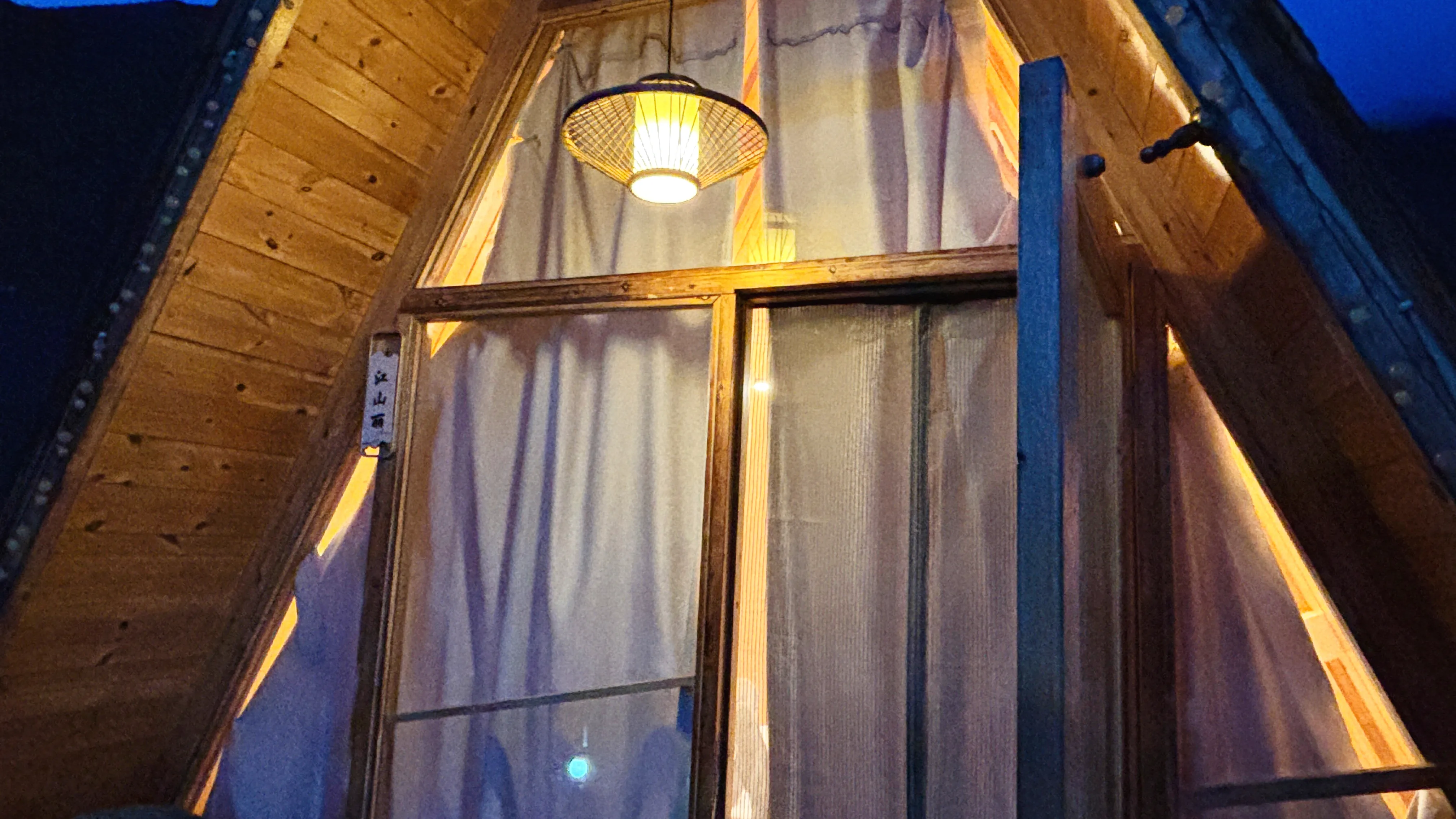
19:45 · Cloud Hotel · elevation approx 2700 m · electric blanket: 10/10 · WiFi: 3/10 · view: 9/10
Set an alarm for 3:45. The guide warned: the shuttle departs at 4:30, and during Golden Week people start lining up at 4:00. Miss the first wave, and you miss the sunrise.
I fell asleep to the sound of wind whipping the canvas, already dreading tomorrow.
Day 2: Waiting in freezing rain, rewarded with a spectacular sunrise.
At 3:45 a.m., the alarm rang right on time. Outside, it was pitch black; the temperature had dropped to -2°C. All around, tourists were getting up, rustling through their clothes and muttering softly. Climbing out of a warm blanket to face the high-altitude cold and my own drowsiness was a huge test. I put on layers—thermal underwear, two sweaters, a down jacket, a hat, gloves—and headed out fully geared up.
At 4:10 I reached the entrance. The night sky was deep blue and the stars were sharp. The cold air stung my lungs going in; overnight rain pushed humidity to 85%. By then, a line more than 50 meters long stretched from the ticket gate to the shuttle area, with more than 200 tourists wrapped in heavy jackets, waiting in a silent, half-asleep daze. Some had brought folding stools, some were chewing on dry rations, and a few young kids woken in the dead of night cried quietly. The whole wait felt exhausting.
The shuttle fee deserves special emphasis, because it's not optional. Dawa Gengza's entrance ticket (included in the tour fee) only gets you to the foot of the mountain. But from the foot to the summit—about 15 km of narrow mountain road, no guardrails, with a 500-meter drop on one side—the round-trip shuttle is 80 yuan/person. You can't drive yourself. There's no parking at the top. Either pay, or don't go.
Mandatory Shuttle Bus: A Necessary Expense You Can't Avoid
Many tourists easily overlook this hidden expense: the ticket included in the tour package only covers the scenic area at the foot of the mountain. The 15 km winding mountain road from base to summit hugs a sheer cliff on one side with no guardrails, and private vehicles are forbidden. The only way up is the scenic shuttle bus—80 yuan per person round trip, no alternative. It's effectively a mandatory charge.
Shuttle Bus Details
Route: Dawa Gazeng Base – Summit Parking Lot
Distance: About 15 km
Duration: 35–45 minutes
Cost: 80 yuan/person (round trip, mandatory)
Operating Hours: 4:30–18:00 (subject to weather)
While waiting in line, a fine, cold rain kept falling, seeping through the gaps in my clothing and hat. The chill soaked through me, and at that moment I was completely consumed by regret, vowing never to do an overnight mountain climb with a tour group again.
At 4:55 am, I finally got on board. The minibus windows fogged up as the driver expertly navigated countless hairpin turns with smooth, steady hands. I watched the altitude on my watch keep climbing: 3,000 m, 3,500 m, 3,800 m—until we reached the summit parking lot.
At 5:35 am we reached the summit. The rain had stopped and the wind had died down, but the temperature had dropped to -1°C. The sky was still pitch black, with just a hint of deep blue on the eastern horizon—a sign that dawn was approaching.
The Ultimate Test: Hiking with Altitude Sickness at 3,900 m
The brochure won't tell you: the shuttle only goes to the parking lot—the viewing platform is still 2–3 km away. At an altitude with only 60% of sea-level oxygen, that stretch is a different beast.
Two options. Option one: walk. A wooden boardwalk climbs gently upward. On flat ground it would be a 20-minute stroll; at 3,900 m, it's another creature entirely. Every ten steps you stop to catch your breath. Your heart slams against your ribs. Your temples throb. People pass you, then stop to rest, then you pass them. It's a slow-motion race against the sunrise.
Option two: spend another 20 yuan to take an open-air cart for part of the way. I walked. My partner took the cart. She won.
The altitude sickness hit harder than I expected. I run 2 km twice a week—not exactly out of shape. But good cardio doesn't equal altitude tolerance. At 3,900 m, it's pure physics: less oxygen means your body can do less, and no gym workout will change that. I stopped five times, drank a Coke, and cursed myself for not buying an oxygen canister at the foot of the mountain.
⚠ Watch Out: Altitude Sickness & Oxygen
Summit altitude: 3,900 m (about 12,795 ft)
Oxygen content: about 60% of sea level
Oxygen canisters: Vendors at the base sell them for 15–20 yuan, but quality varies—some are nearly empty. Better to buy your own in Chengdu before you head up.
Iron rules: Walk slowly. Don't run. No alcohol the night before. If you get a severe headache or nausea, descend immediately.
Keep warm: gloves, hat, thermal layers, down jacket/coat
Ultimate Payoff: A Breathtaking Sunrise with All Five Wonders
At 6:10, I reached the viewing platform as the night sky shifted from deep blue to a faint purple glow. In a flash, the clouds parted completely. The cold rain that had been tormenting us earlier had actually cleared the atmospheric haze, creating perfect viewing conditions. A pure white sea of clouds blanketed the earth, endless and layered, while overhead the sky shifted through delicate shades of rose gold and pale blue.
At 6:24, sunrise arrived right on schedule. In an instant the sun broke through the horizon, flooding the shadowy snow-capped peaks with warm golden light—a perfect "golden mountains at sunrise" spectacle that lasted a full ten minutes. To the west, the Qionglai Mountains and the distant ridgelines of Siguniang Mountain were tinted pink, while clouds collided with the summits and surged apart in rolling waves. It was a magnificent, soul-soothing sight.
Once the clouds fully cleared, the remaining stars came into sharp focus, Venus dazzlingly bright. In just forty minutes, we had collected all five wonders—starry night, sea of clouds, sunrise, golden peaks, and snow-capped mountains—an incredibly rare and breathtaking spectacle.
Standing in the cold wind with frozen fingers and a red nose, I felt completely at peace. Our guide said Dawa Gengza only sees a full sunrise on about 30% of its mornings each year—the odds drop even lower in winter, while summer brings mostly overcast and rainy skies. What we got was pure luck.
On the way down, we came across a couple shooting wedding photos amid the sea of clouds and snow. The bride, in a strapless white gown, was shivering in the cold, while the groom wore a stoic, determined expression. Romance and hardship side by side—it became the most memorable image of the trip.
Against all odds, we managed to see all five wonders: the starry sky, the sea of clouds, the sunrise, the golden-lit peaks, and the snow-capped summits.
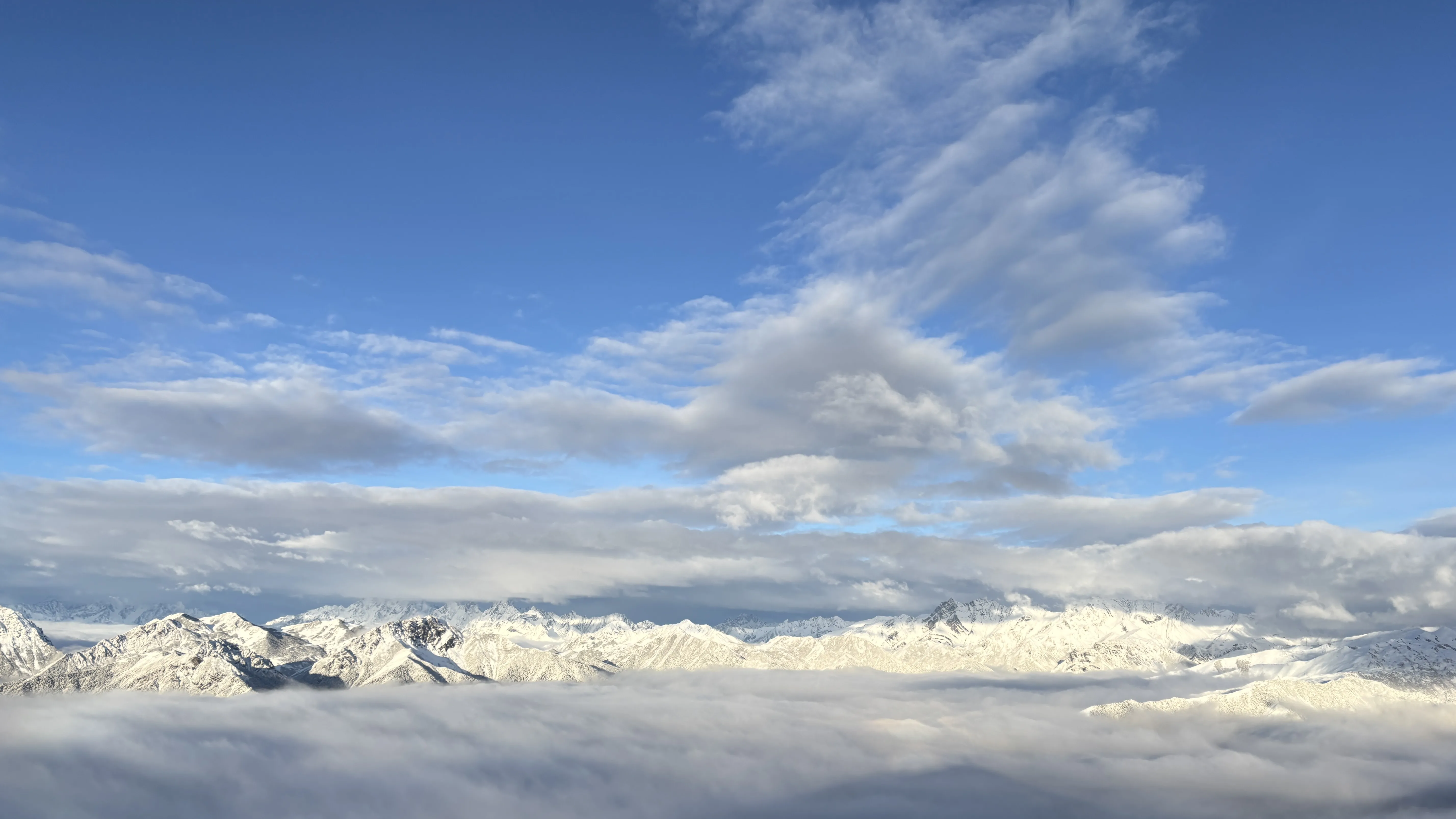 6:28 · Summit viewing platform · Elevation 3,900 m · Temperature -2°C · All five wonders in one frame
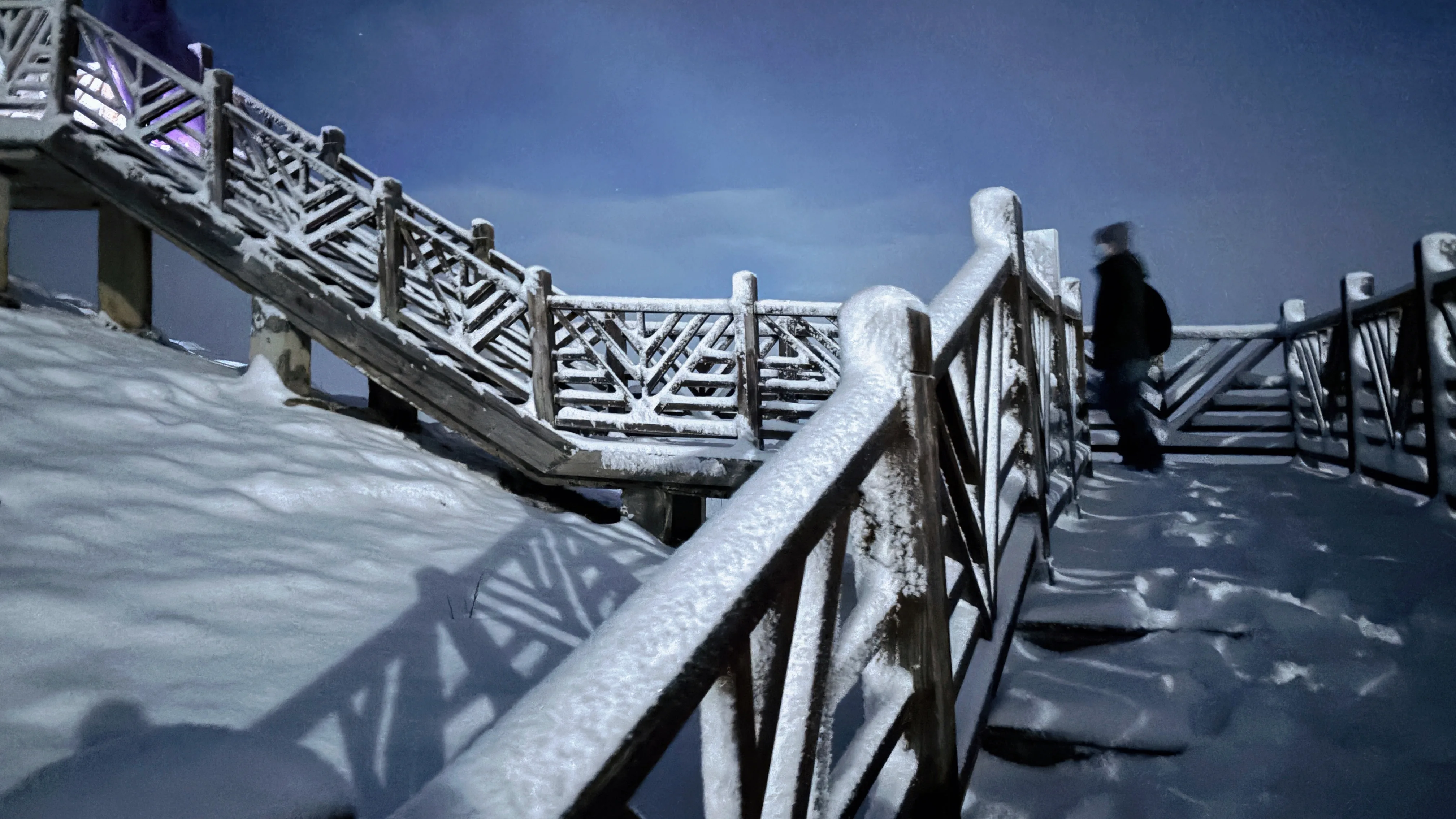
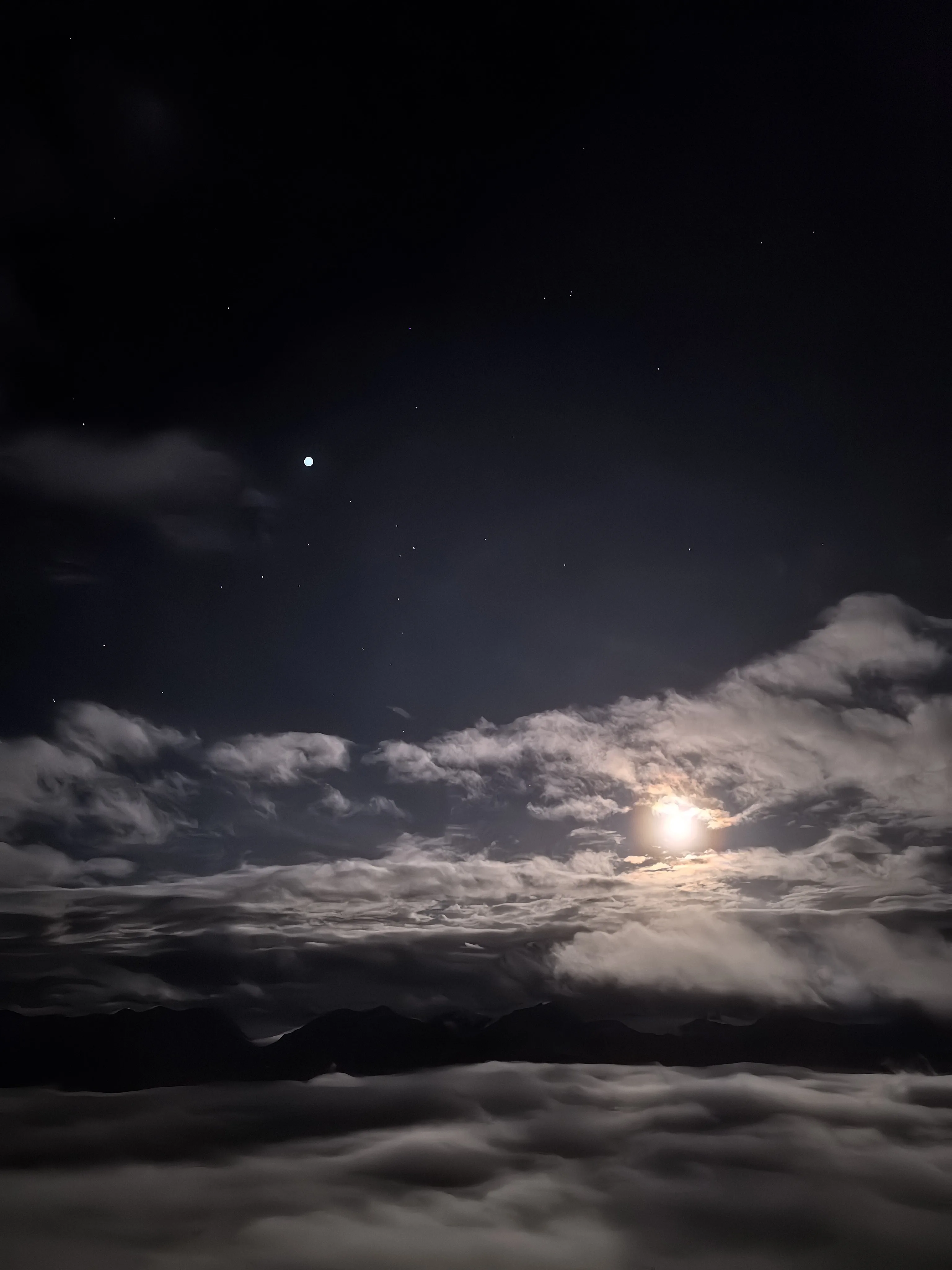
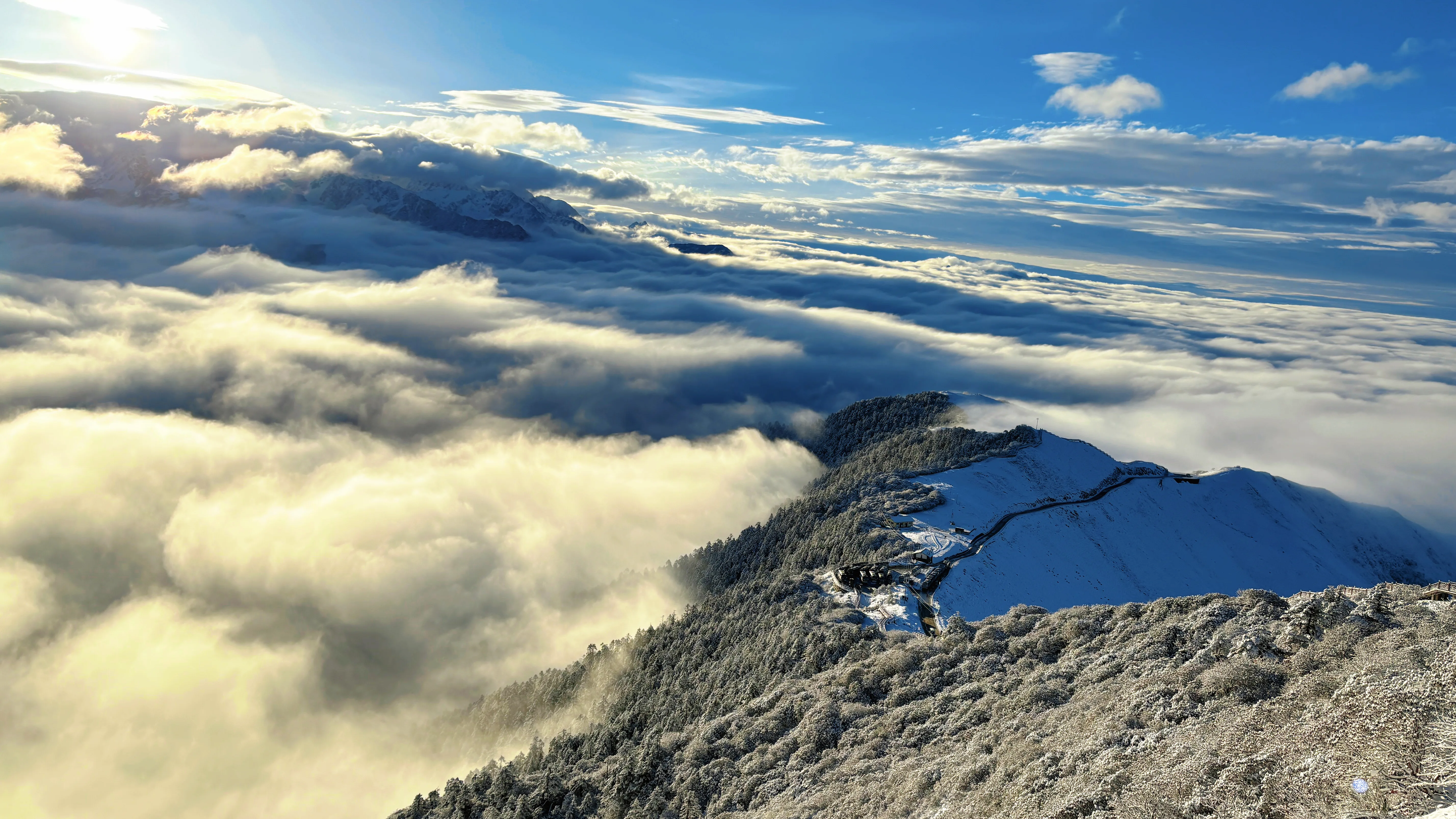
I stood there, fingers frozen, nose running, and thought: This is what people endure hardship for.
The engineer part of my brain tried to calculate the odds. How many days a year does Dawa Gengza get all five wonders? The guide later told me that in May, only about 30% of mornings see a decent sunrise. Winter is worse, and summer brings more monsoon clouds. We rolled a natural 20, and we knew it.
On the way down the mountain, we saw a couple taking wedding photos in the snow. The bride wore an off-the-shoulder white gown; the groom's expression looked like he was reconsidering his vows. I took a shot of them with the sea of clouds as a backdrop—a postcard of romance and hypothermia.
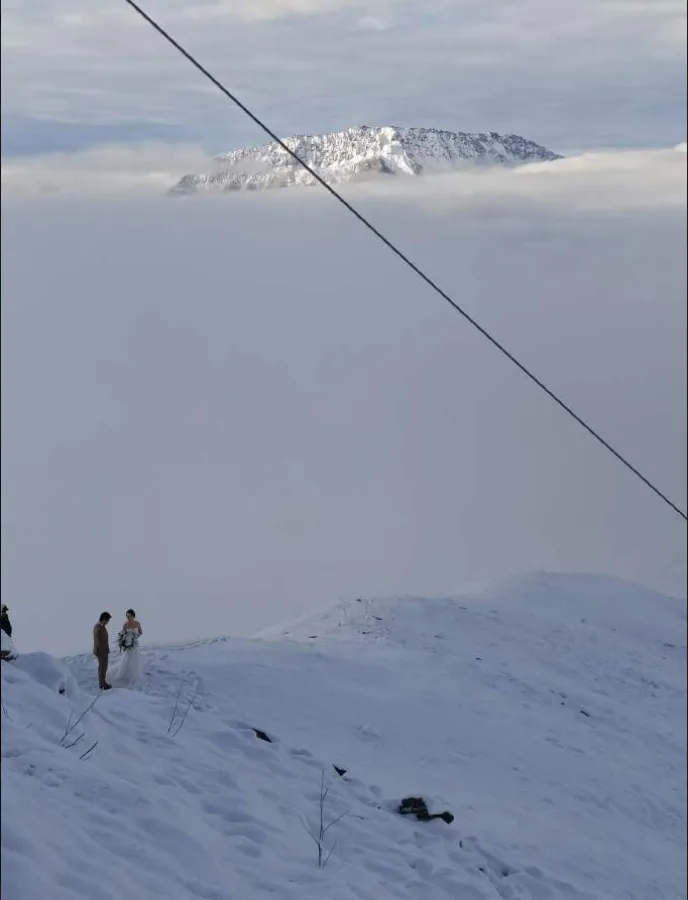 7:15 · Wedding photos at 3,900 m · Bride: visibly freezing · Groom: visibly determined · Respect
The return trip and the full expense breakdown
At 9 AM, everyone gathered and we headed back. Back in town, we tried yak meat broth hotpot—the most delicious meal of the two-day trip. After a quick rest, the coach set off back to Chengdu. Thanks to Golden Week traffic, the usual 3-hour drive stretched to 3.5 hours. At 4:30 PM, the coach arrived at Jiuxing Avenue Metro Station and the group disbanded. Exhausted and slightly dizzy from altitude sickness, yet filled with an indescribable sense of satisfaction. Back in the city, a steaming bowl of dandan noodles was the perfect end to the grueling journey.
Complete expense breakdown for two people
Ctrip group tour base cost: 1617 yuan
Mandatory travel insurance: 126 yuan
Platform discount: 153 yuan
Tour fee actually paid: 1590 yuan
Shenmulei magic carpet lift (for two): 40 yuan
Dawa Gengzha mandatory shuttle bus (for two): 160 yuan
Hilltop sightseeing cart (per person): 20 yuan
Snacks and drinks throughout the trip: 60 yuan
Total cost for two people: 1870 yuan
Trip summary: Is it worth going?
In terms of comfort: Not worth it. The meals were rough, the schedule was draining, altitude sickness was miserable, and the cold was bone-chilling — the whole trip was full of hardship.
In terms of peak-season value for money: Worth it. The premium tent hotel in the scenic area alone goes for 650 yuan on the market. Factor in self-driving fuel, tolls, tickets, and trip-planning costs, and the group tour holds a clear price advantage while removing all the hassle of preparation.
In terms of the viewing experience: Absolutely worth it. All the suffering, cold, and exhaustion of the early morning wash away the moment the golden peaks at sunrise, the sea of clouds, and the starry sky appear.
A group tour is essentially a trade-off: you exchange travel freedom and on-the-road comfort for hassle-free itinerary planning and dependable travel arrangements. Whether it's good value comes down to personal preference.
Who this trip suits
1. People who don't own a car or don't feel confident driving on high-altitude mountain roads;
2. Travelers going in peak season when hotel prices are inflated and rooms are hard to come by;
3. People who can handle basic meals, sleepless nights and early starts, and a bit of roughing it;
4. First-timers heading above 3,000 meters who want a steady, low-risk introduction to high-altitude travel;
5. Travelers who can accept unpredictable weather and are fine with the viewing being a roll of the dice.
Who should skip this trip
1. People with respiratory or heart conditions, or a history of serious altitude sickness;
2. Travelers with standards for food and lodging who can't accept rough conditions;
3. Photography enthusiasts who value their own pace and hate being rushed by a group schedule;
4. Families with young children who can't shoulder pre-dawn wake-ups and the toll of high-altitude travel;
5. People who want a refined vacation and shun rugged outdoor experiences.
Final recommendation
On a trip to Dawa Gengzha, hardship is guaranteed; the breathtaking views are a matter of chance. Standing in line in the freezing rain before dawn, I swore I'd never come back. But watching all five wonders appear at once from the summit, I was more than willing to return.
For travelers seeking the ultimate experience who can handle hardship: I'd suggest booking the cloud-top hotel separately, arranging a reliable driver in advance, leaving Chengdu at 5 p.m., arriving in the evening to rest up, and catching the first shuttle bus before dawn — this maximizes your odds of seeing the views and minimizes the agony of waiting in line.
For travelers who just want a hassle-free trip and don't want to plan: this Ctrip group tour is excellent value for money.
Finally, keep in mind: the weather up here is unpredictable and the cold cuts right through you. No photo plan matters as much as a decent warm jacket.
Final trip stats
Total round-trip driving: about 430 km
Total walking distance: about 8 km
Highest elevation: 3,900 m
Lowest temperature: -2°C
Sunrise: 6:24 a.m.
Photos taken: 347, usable shots: 23
Regrets during the trip: 0
