Chengdu Xindu District Baoguang Guihu Cultural Tourism Area
成都市新都区宝光桂湖文化旅游区
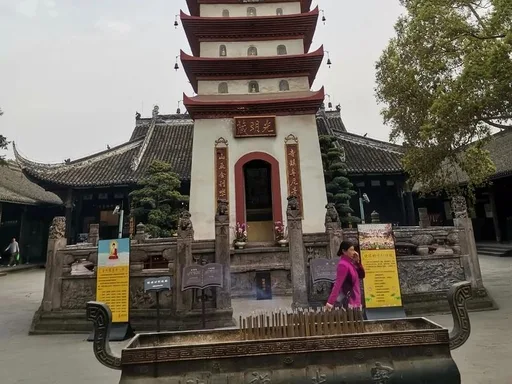
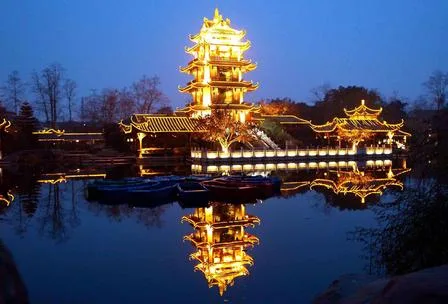
A combined scenic area featuring the ancient Baoguang Temple and Guihu Lake, hometown of Ming Dynasty top scholar Yang Sheng'an.
Experience the Zen spirit of a thousand-year-old temple and the garden elegance of a Ming-dynasty top scholar's hometown — two cultural charms in one visit.
This cultural scenic area is well worth a visit. The tranquility of Baoguang Temple and the beauty of Guihu Lake complement each other perfectly, making it ideal for history and garden enthusiasts, as well as family outings.
Tickets & Transport
Tickets
- Adult ticket
- ¥30
- Child ticket
- ¥15
- Free
- No
- Ticket methods
- Purchase on-site or reserve tickets via the official WeChat public account
- Ticket notes
- The combo ticket includes Baoguang Temple and Guihu Lake. Discounts apply for children, students, seniors, etc. Subject to the scenic area's policy.
Opening Hours
- Last entry
- 17:00
- Ticket sales end
- 16:30
- Holiday hours
- On legal holidays, hours are usually extended to 18:30. Please refer to the scenic area's announcements.
- Seasonal hours
- Opening hours may be extended in summer (Jun-Aug) and shortened in winter (Dec-Feb). Please refer to the scenic area's announcements.
- Opening notes
- Opening hours may be adjusted due to seasons or special events. We recommend checking official information before your visit.
Best Time to Visit
- Best time of day
- Early morning or early evening, when the light is soft and there are fewer visitors.
- Best day of week
- Weekdays (Tuesday to Thursday)
- Best season
- Spring (Mar-May) and Autumn (Sep-Nov)
- Avoid times
- Noon on holidays (11:00-14:00)
- Avoid days
- Legal holidays such as May Day and National Day
- Crowd level
- Medium
- Crowd peak time
- Weekends and holidays 10:00-15:00
Getting There
- Metro station
- Zhonglou Station
- Metro line
- Line 3
- Metro exit
- Exit B
- Metro distance
- 1.5km
- Metro walk
- 20min
In Detail
The Baoguang Guihu Cultural Tourism Area is located in Xindu District, Chengdu, consisting of two major parts: the thousand-year-old Baoguang Temple and Guihu Lake, the hometown of Ming Dynasty top scholar Yang Sheng'an. Baoguang Temple was first built in the Eastern Han Dynasty and went through the Sui and Tang dynasties. Most of the existing buildings were reconstructed in the Qing Dynasty, known for its layout of "one pagoda, two archways, three gates, and seven halls." Among them, the Relic Pagoda (Baoguang Pagoda) is the landmark building, said to have been built during Emperor Xizong of Tang's refuge. The temple also houses a large collection of Buddhist relics, such as sarira (Buddhist relics) and Pattra-leaf scriptures.
Guihu Lake, originally named "Nanting," was the former residence and study place of Yang Sheng'an, a top scholar and writer of the Ming Dynasty. The lake is wide and covered with lotus flowers, with especially charming scenery when the lotuses bloom in summer. On the lakeside stand ancient buildings such as Sheng'an Shrine and Huang'e Hall, with an elegant environment full of cultural atmosphere. The entire scenic area integrates Buddhist culture with garden art, featuring both the solemnity of an ancient temple and the gracefulness of a garden.
During the visit, visitors can first tour Baoguang Temple to experience the tranquility and incense of the thousand-year-old temple, then stroll around Guihu Lake to enjoy the lake views and ancient architecture. Spring and autumn are the most pleasant seasons, while summer lotus viewing and winter snow viewing are also delightful.
What to expect
Visitors can tour the halls, the Relic Pagoda, and the Arhat Hall of Baoguang Temple to soak up the Buddhist atmosphere; then stroll around Guihu Lake to enjoy the lake views, lotus ponds, and ancient architecture, and also visit cultural sites such as Sheng'an Shrine and Huang'e Hall. The scenic area is shaded by trees and tranquil, perfect for leisurely walks and photography.
How to visit
It is recommended to first visit Baoguang Temple (about 1.5–2 hours), then walk to Guihu Lake (about 1–2 hours), and finally explore the snack street around the scenic area. If you have ample time, set aside half a day to a full day.
Pros
Deep cultural heritage, a blend of ancient temple and garden, suitable for all seasons.
Convenient transportation with metro access.
Reasonable ticket prices and great value for money.
Cons
Crowded with more visitors on holidays and festivals.
Hot in summer; take sun protection when touring outdoors.
Photography is prohibited in some ancient building areas.
Highlights
- Baoguang Temple Relic Pagoda: An ancient pagoda from the Tang Dynasty and the temple's core structure, with simple and unsophisticated architecture.
- Hall of Five Hundred Arhats: Vivid statues on a grand scale, offering great artistic value.
- Guihu Lake Lotus Pond: In summer, lotus flowers bloom, and the shimmering lake is full of poetic charm.
- Sheng'an Shrine: Commemorates Yang Shen, the top scholar of the Ming Dynasty; ancient trees tower inside the shrine.
- Ancient Architecture Complex: Qing Dynasty architectural style with carved beams and painted rafters, exuding antique elegance.
FAQ
Do I need to buy separate tickets for Baoguang Temple and Guihu Lake?
Usually the scenic area operates a combined ticket system, but individual tickets for each attraction can also be purchased. Please refer to on-site information.
Is there food service inside the scenic area?
There are restaurants and snack stalls around the scenic area. Inside, mainly vegetarian meals are served, so you can try Baoguang Temple's vegetarian cuisine.
Can I bring pets inside?
Generally, pets are not allowed in the temple and ancient architecture areas. It is recommended to board your pet elsewhere.
Field Tips
Best photo spot 1. Baoguang Temple Stupa: The ancient pagoda against the blue sky—shoot a panorama from the square in front. 2. Guihu Lake Lotus Pond: In summer, with lotus flowers in full bloom, the reflections in the lake are lovely; great for close-ups. 3. Front of Shengan Shrine: Ancient architecture paired with old trees, perfect for cultural and vintage-style photos. 4. Guihu Lake Pavilion: From the pavilion, the lake and distant mountains offer excellent composition.
Best entrance Main entrance (Baoguang Street entrance)
Best exit Guihu Exit (connects to Guihu Park)
Location & Nearby
Nearby attractions
- Jinmen Scenic Area (5.8 km)
- Chengdu Botanical Garden (7.7 km)
- Chengdu Research Base of Giant Panda Breeding (9.6 km)
- Qingbaijiang Phoenix Lake Tourist Scenic Area (13.8 km)
- Chengdu Zoo (14 km)